### A Complete Production Guide by Kathmandu Films
Location scouting is one of the most critical phases in any film or documentary production. In a country like Nepal, where landscapes are dramatic but logistics are complex, scouting is not just preparation—it is the foundation of a successful shoot.
This guide combines practical field experience and production insight to explain why location scouting in Nepal is essential, how it works, and how it directly impacts international productions.
## What is Location Scouting?
Location scouting is the professional process of identifying, evaluating, and securing real-world filming locations that align with a script or documentary narrative.
It goes far beyond visual selection. A proper scouting process includes:
* Visual and cinematic evaluation
* Technical feasibility for filming
* Access and logistics planning
* Permit and legal verification
* Risk and safety assessment
A professional scout or fixer delivers a **production-ready location**, not just a visually appealing option.
## Why Location Scouting is Critical for Film & Documentary
### 1. Visual Authenticity
In documentary filmmaking, locations are not just backgrounds—they are the story itself.
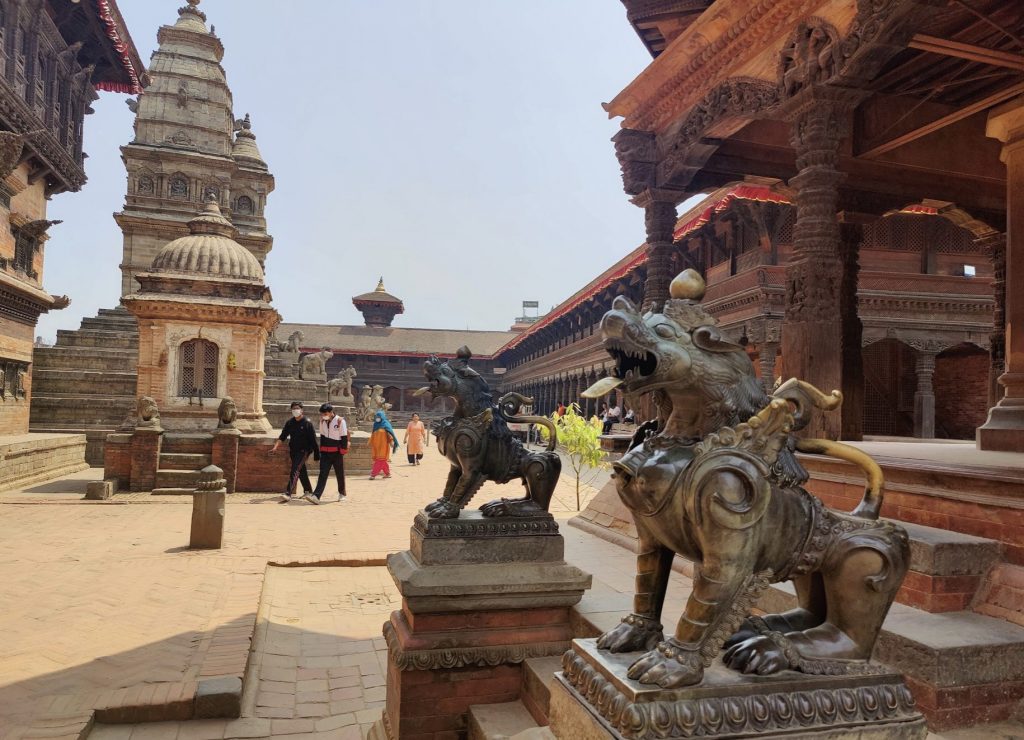
Filming in Nepal means working with real environments such as Mount Everest, remote Himalayan villages, or sacred cultural sites. These cannot be recreated artificially. The right location defines tone, credibility, and emotional impact.
A poorly scouted location can compromise the entire visual narrative.
### 2. Cost and Time Efficiency
A location that looks perfect online can fail in reality due to:
* Lack of road access
* No electricity or infrastructure
* Long trekking routes for equipment transport
Without proper scouting, productions face delays, increased costs, and logistical breakdowns.
Professional scouting ensures:
* Accurate budgeting
* Efficient crew movement
* Realistic scheduling
### 3. Permits and Legal Compliance
Filming in Nepal requires coordination with multiple authorities, including:
* Ministry of Communication and Information Technology Nepal
* Department of Tourism Nepal
Location scouting identifies:
* Ownership and jurisdiction
* Required permits and timelines
* Restrictions on filming activities
Without this process, productions risk delays, penalties, or shutdowns.
### 4. Technical Feasibility
Not every beautiful location is practical for filming.
Scouting evaluates:
* Light direction and shooting windows
* Ambient sound conditions
* Space for camera, crew, and equipment
* Power availability or generator requirements
For example, a monastery may look visually perfect but restrict lighting setups or drone usage. These limitations must be identified in advance.
### 5. Safety and Risk Management
Nepal offers extraordinary visuals—but also significant operational risks:
* High altitude conditions in the Himalayas
* Remote terrain in regions like Dolpo and Mustang
* Wildlife risks in jungle environments such as Chitwan National Park
* Rapid weather changes
Location scouting allows production teams to:
* Identify risks early
* Plan evacuation routes
* Allocate safety resources effectively
## Why Location Scouting is Especially Important in Nepal
Nepal is a high-reward filming destination, but it requires expert planning.
### 1. Extreme Geographic Diversity
Within a short distance, productions can move from:
* Kathmandu – urban, heritage, cultural density
* Chitwan National Park – jungle and wildlife
* Mount Everest – high-altitude Himalayan terrain
Each environment demands completely different logistics, crew structure, and equipment planning.
### 2. Limited Infrastructure in Remote Locations
Many of Nepal’s most cinematic locations require:
* Trekking access
* Porters or animal transport for gear
* Battery-based or solar power systems
* Temporary production setups
Scouting determines whether a location is feasible and what level of support is required.
### 3. Weather Dependency
Nepal’s filming conditions are highly seasonal:
* October to November offers the most stable and clear conditions
* Spring provides good visuals but can include haze
* Monsoon limits access except in rain-shadow areas like Mustang
* Winter can be extreme in high-altitude regions
Location scouting defines the correct shooting window and backup plans.
### 4. Complex Access: Flight, Road, Trekking
Access in Nepal is a mix of:
* Domestic flights (Lukla, Pokhara, Jomsom)
* Road transport (variable conditions)
* Trekking routes (Everest, Dolpo, Annapurna)
* Helicopter logistics for high-end productions
Each location requires a different combination, which must be verified during scouting.
### 5. Cultural Sensitivity and Local Coordination
Nepal’s filming environments include:
* Religious sites
* Traditional communities
* Restricted cultural areas
Scouting ensures:
* Respectful engagement with local communities
* Proper permissions
* Smooth on-ground coordination
## Kathmandu Films Approach to Location Scouting
At Kathmandu Films, location scouting is handled as a **strategic production phase**, not a preliminary task.
Led by Chandan Jha, with experience across more than 200 international productions, the process includes:
* Detailed location research and recce
* Permit planning and authority coordination
* Logistics mapping (access, crew, equipment)
* Risk assessment and contingency planning
* Local community and stakeholder engagement
This approach ensures that every location is not only visually powerful but also operationally viable.
## Final Insight
Location scouting in Nepal directly impacts:
* Visual quality of the film
* Budget efficiency
* Production timeline
* Crew safety
* Legal compliance
In Nepal, scouting is not optional—it is essential.
For international productions, working with an experienced local fixer and production partner transforms location scouting into a competitive advantage, ensuring that creative vision is achieved without operational compromise.
Contact: info@kathmandufilms.com