Production Coordinator in Nepal: The Backbone of Every Successful International Shoot
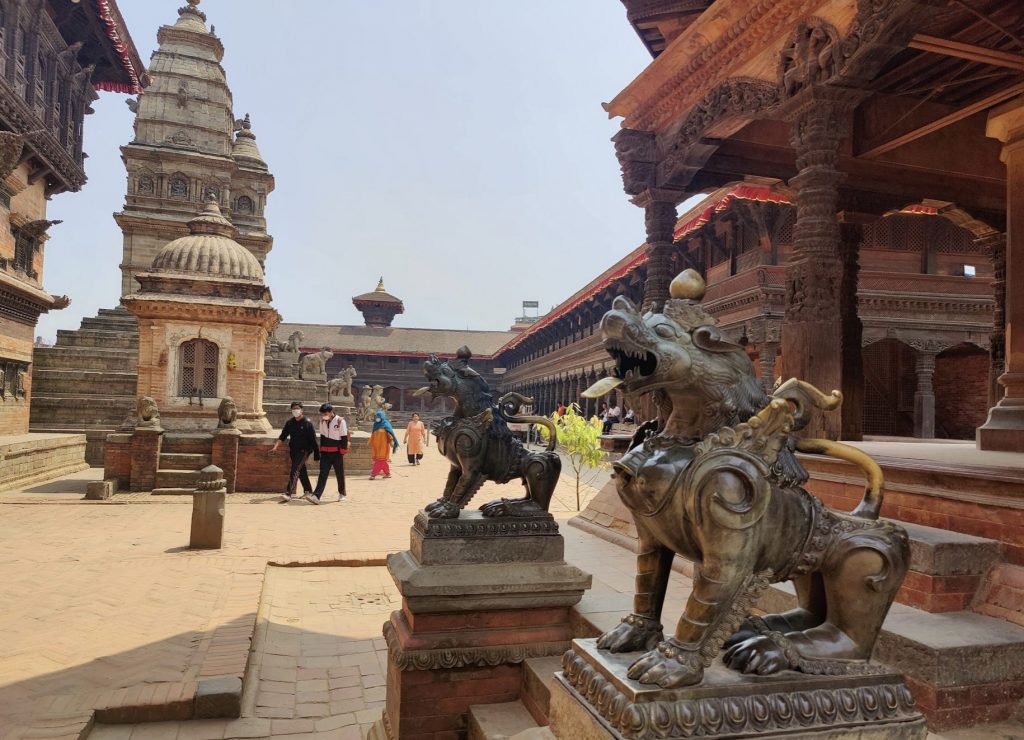
Nepal is one of the most visually powerful filming destinations in the world. From dense urban heritage zones to some of the highest peaks on Earth, it offers unmatched cinematic diversity. But behind every successful production in Nepal is something far less visible and far more critical — **a highly capable Production Coordinator**.
For international producers, this role is not optional. It is the difference between a smooth shoot and a logistical breakdown.
## What Does a Production Coordinator Actually Do?
A Production Coordinator is the **central operational engine** of a production. They connect planning with execution and ensure that every moving part aligns on the ground.
They are responsible for:
* Managing schedules, call sheets, and daily operations
* Coordinating crew, equipment, and transport
* Handling permits, documentation, and compliance
* Organizing accommodation, travel, and logistics
* Bridging communication between local teams and international producers
In simple terms, they turn your production plan into a working reality — day by day, hour by hour.
## Why Nepal Demands Strong Production Coordination
Filming in Nepal is not like filming in controlled studio environments or infrastructure-heavy countries. It requires adaptability, local intelligence, and precision execution.
### Complex Permit Systems
Filming often involves multiple authorities — government bodies, local municipalities, conservation areas, and sometimes even military clearances. Without proper coordination, delays are inevitable.
### Challenging Geography
Nepal’s terrain ranges from accessible cities to remote Himalayan regions. Transport logistics can involve:
* Domestic flights
* Off-road vehicles
* Helicopters
* Porters and trekking routes
A production coordinator ensures that every movement is timed and feasible.
### Unpredictable Conditions
Weather in the mountains changes rapidly. Political strikes or local disruptions can affect schedules. A skilled coordinator anticipates risks and builds contingency plans.
### Cultural and Local Dynamics
Access often depends on relationships, not just permits. Local communities, religious sites, and remote regions require respectful negotiation and trust-building.
### International Production Requirements
Handling carnets, customs clearance, drone permissions, and international crew logistics requires precision. One mistake can halt an entire shoot.
## Levels of Location Difficulty in Nepal
Not all locations are equal. The complexity of coordination increases significantly depending on where you shoot.
### Urban Locations (Moderate Complexity)
Kathmandu, Pokhara, and nearby regions
* Easier access and infrastructure
* Challenges include traffic, crowd control, and permits
### Rural and Hill Regions (High Complexity)
Mustang, Dolakha, and similar regions
* Limited accommodation and facilities
* Requires careful transport and local coordination
### Extreme Himalayan Locations (Critical Complexity)
Everest region, Dolpo, and remote high-altitude zones
* No infrastructure
* High-altitude risks
* Helicopter logistics and emergency planning required
At this level, coordination becomes mission-critical, not just supportive.
## How Many Locations Can One Coordinator Handle?
This is where experience matters.
* In cities, one coordinator may handle multiple units
* In rural areas, one coordinator per unit is standard
* In extreme locations, a **full coordination structure** is required:
* Lead coordinator
* Assistant coordinators
* Fixers
* Local guides and logistics teams
Attempting to manage complex shoots with insufficient coordination is one of the most common and costly mistakes in Nepal.
## Why Experience Matters: The Kathmandu Films Advantage
When it comes to executing international productions in Nepal, experience is not just valuable — it is decisive.
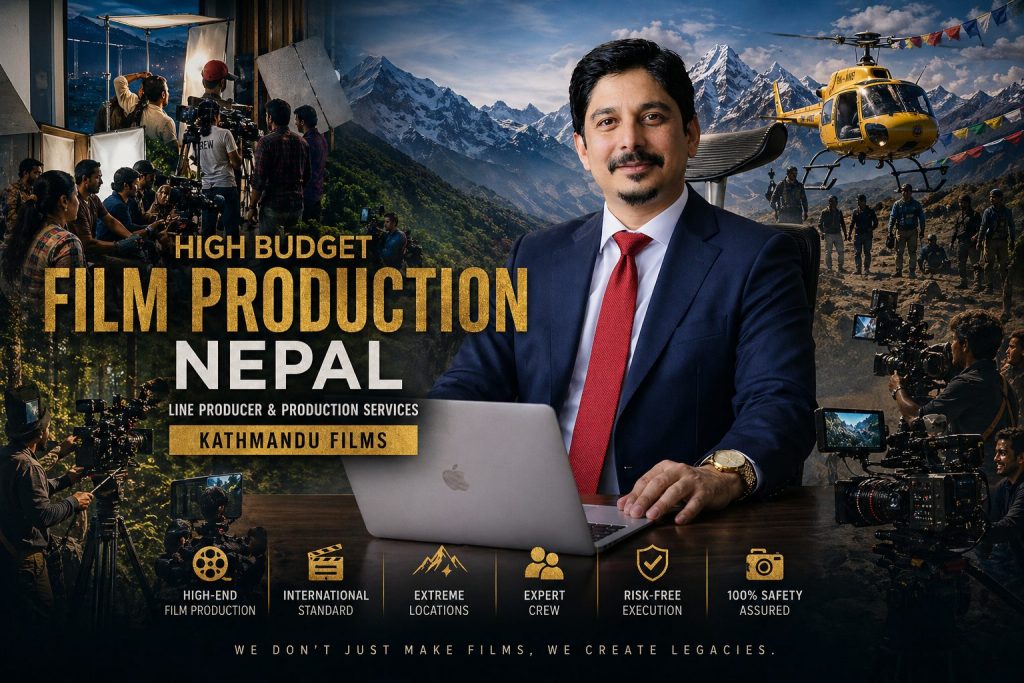
**Chandan Jha**, founder of **Kathmandu Films**, brings over 15 years of hands-on experience with more than 200 international productions.
### Proven International Track Record
Kathmandu Films has worked with global broadcasters, brands, and production houses, aligning with international standards and workflows.
### Complete Production Support
From permits to logistics, crew to locations, everything is managed under one system. This eliminates fragmentation and reduces risk.
### Deep Local Network
Strong relationships across government bodies, local authorities, and remote communities allow smoother execution where others face delays.
### High-Risk Problem Solving
Whether it’s high-altitude filming, remote logistics, or tight schedules, the team is built to solve problems in real time.
### Clear Communication with Global Teams
Transparent budgeting, structured planning, and efficient reporting ensure international producers always stay in control.
## The Reality of Filming in Nepal
Nepal offers extraordinary visuals, but it demands serious operational capability. A production coordinator here is not just an administrative role — they are:
* A logistics strategist
* A fixer
* A risk manager
* A communication bridge
Without this role, even well-funded productions can struggle.
With the right team, Nepal becomes one of the most rewarding filming destinations in the world.
## Final Word
If you are planning to shoot in Nepal, your success will depend less on equipment and more on execution.
And execution depends on coordination.
Working with experienced professionals like Chandan Jha and Kathmandu Films ensures that your production is not just supported — it is **secured, streamlined, and delivered at an international standard**.
Contact: info@kathmandufilms.com