Best Time to Film in Nepal: Weather, Seasons and Visibility Guide for International Productions
Timing a production in Nepal is a strategic decision that directly affects visuals, logistics, and budget efficiency. Nepal offers year-round filming opportunities, but **weather patterns, seasonal visibility, and terrain accessibility** vary significantly across regions.
For international producers, selecting the right filming window can mean the difference between average footage and exceptional cinematic output. This guide breaks down Nepal’s seasons from a **production perspective**, helping you align your schedule with your creative and operational goals.
## Why Timing Matters for Filming in Nepal
Nepal’s geography ranges from tropical plains to the highest mountains on Earth. This creates microclimates that impact:
* Mountain visibility and skyline clarity
* Lighting conditions and atmospheric depth
* Accessibility of remote locations
* Crew safety and logistics
* Equipment performance in extreme conditions
All filming permits are coordinated through the Ministry of Communication and Information Technology, and planning your shoot according to seasonal conditions helps streamline approvals and execution.
## Spring Season (March to May)
Spring is one of the most balanced and production-friendly seasons in Nepal.
**Best for:** Himalayan landscapes, trekking routes, aerial cinematography
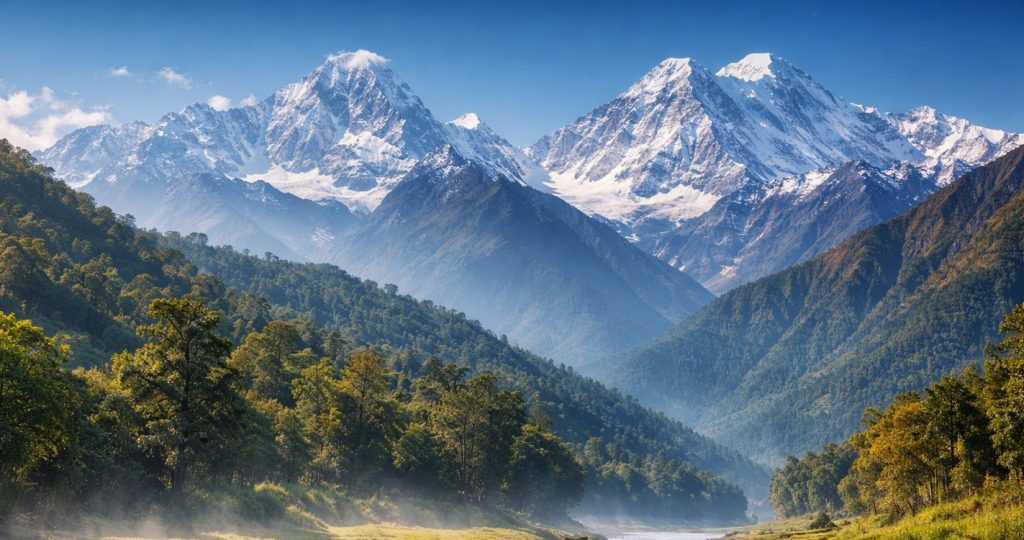
During this period, weather conditions are stable with moderate temperatures. The skies are generally clear, especially in the mornings, offering excellent mountain visibility across regions like Everest, Annapurna, and Langtang.
**Production advantages:**
* Strong visibility for high-altitude filming
* Vibrant natural color from blooming rhododendrons
* Ideal conditions for drone and wide landscape shots
**Considerations:**
* Slight haze may appear in lower altitudes later in the day
* Popular trekking season can increase foot traffic in certain areas
## Summer / Monsoon Season (June to August)
Monsoon season transforms Nepal into a lush, green landscape with dramatic atmospheric conditions.
**Best for:** Moody storytelling, greenery, rain-driven visuals
Heavy rainfall creates mist, cloud movement, and saturated landscapes that can enhance cinematic depth.
**Production advantages:**
* Unique visual tone with fog, rain, and cloud textures
* Rich greenery in regions like Ilam and mid-hill areas
* Less crowded locations for controlled shooting
**Considerations:**
* Limited mountain visibility due to cloud cover
* Rain delays and transportation challenges
* Not suitable for high-altitude filming like Everest or Dolpo
## Autumn Season (September to November)
Autumn is widely considered the **best overall season for filming in Nepal**.
**Best for:** Clear skies, mountain visibility, large-scale productions
Post-monsoon conditions result in crisp air and exceptional visibility. This is the most reliable period for capturing Himalayan landscapes.
**Production advantages:**
* Crystal-clear mountain views across all major regions
* Stable weather and predictable shooting schedules
* Opportunity to capture major cultural festivals like Dashain and Tihar
**Considerations:**
* Peak tourist season increases demand for logistics and crew
* Early booking required for flights, hotels, and equipment
## Winter Season (December to February)
Winter offers clean air, sharp visibility, and quieter locations.
**Best for:** Low-altitude filming, snow visuals, controlled environments
While high-altitude areas can be extremely cold, lower regions remain accessible and visually appealing.
**Production advantages:**
* Clear skies with minimal haze
* Ideal for filming in Kathmandu Valley and Chitwan National Park
* Less crowd, easier permit processing and location control
**Considerations:**
* Harsh conditions in high-altitude regions like Everest and Dolpo
* Limited access to remote mountainous areas due to snow
## Best Filming Season by Location
* Everest Region: Spring and Autumn for maximum visibility
* Upper Mustang: Spring and Autumn for accessibility and clarity
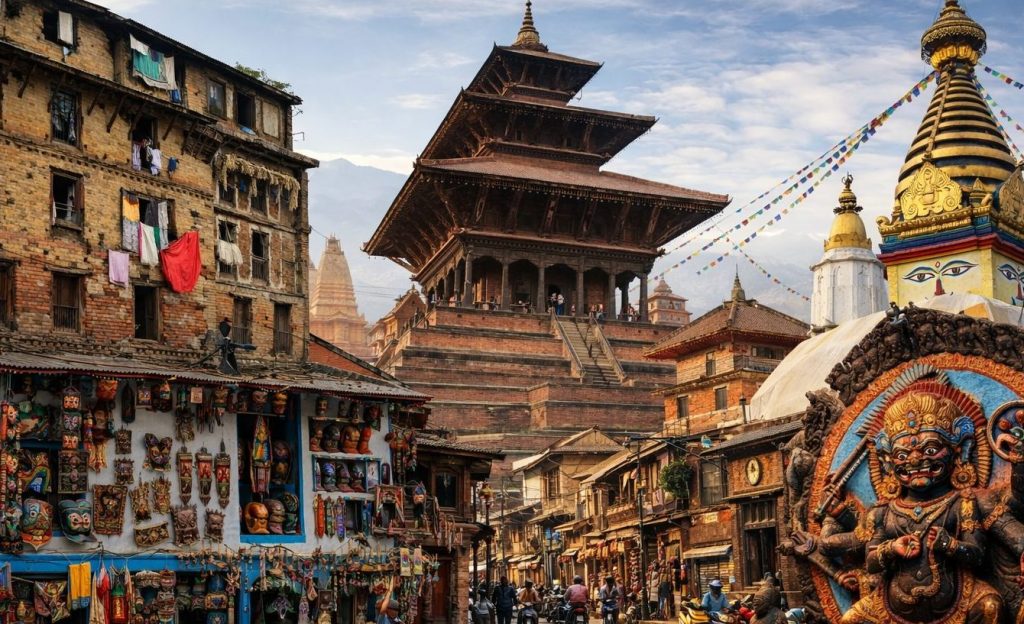
* Kathmandu Valley: Year-round, with Autumn best for festivals
* Pokhara and Annapurna: Spring and Autumn for reflections and landscapes
* Chitwan National Park: Winter and Spring for wildlife filming
* Lumbini: Winter and Autumn for comfortable conditions
* Langtang Valley: Spring and Autumn for balanced access
* Rara Lake: Autumn for clear skies and reflections
* Ilam: Monsoon and Spring for lush green visuals
* Dolpo Region: Spring and Autumn for stable conditions
## Key Takeaways for International Producers
* Autumn provides the most consistent and visually striking results
* Spring offers strong mountain visuals with added natural color
* Monsoon is suitable for niche visual storytelling but requires flexibility
* Winter is ideal for controlled shoots and low-altitude locations
## Why Work with Kathmandu Films
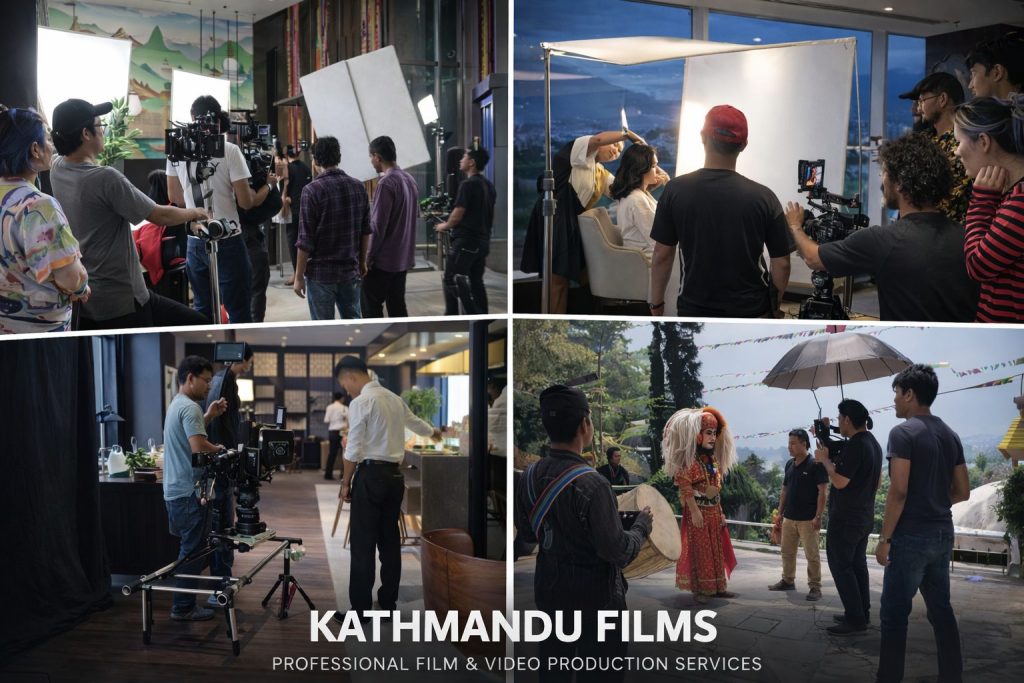
At Kathmandu Films, we help international productions plan shoots based on **real-time seasonal conditions, location feasibility, and production efficiency**.
Our services include:
* Location scouting aligned with seasonal suitability
* Permit processing through the Ministry of Communication and Information Technology
* Local crew, equipment, and logistics
* High-altitude and remote production management
## Conclusion
Nepal offers unmatched diversity for filmmaking, but timing is the key to unlocking its full cinematic potential. By aligning your production schedule with the right season, you can maximize visual impact while minimizing logistical risks.
For international producers, Nepal is not just a destination, it is a strategic filming advantage when planned correctly.
If you are planning a shoot in Nepal, Kathmandu Films can support you with precise seasonal planning and complete production solutions to ensure a smooth and successful project.
Contact: info@kathmandufilms.com