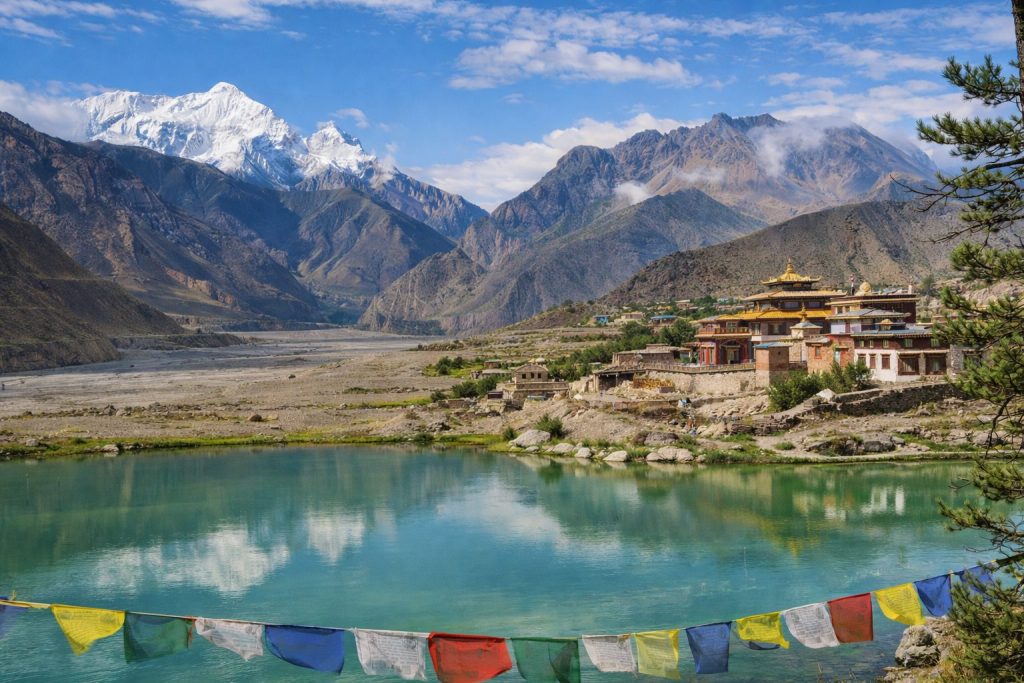
Film Production in Nepal: Permits, Logistics and Local Support
Nepal has emerged as one of the most compelling destinations for international film, documentary, and commercial productions. From the Himalayas to UNESCO World Heritage sites, the country offers unmatched visual diversity. However, successful production in Nepal depends on three critical pillars: permits, logistics, and reliable local support. Understanding and managing these elements efficiently is what transforms a complex shoot into a seamless production.
Understanding Film Permits in Nepal
Filming in Nepal is legally structured and requires proper authorization before any production activity begins. For international producers, obtaining permits is mandatory and enforced by the government.
The primary authority issuing permits is the Ministry of Communication and Information Technology, while domestic productions are supported by the Film Development Board.
Types of Permits Required
A typical production involves multiple layers of approvals:
General Filming Permit
This is the core permit required for all productions across Nepal.
Location-Specific Permits
Additional permissions are required for heritage sites, national parks, conservation areas, and culturally sensitive locations.
Drone and Aerial Permits
Separate approvals from aviation authorities are required for any aerial filming.
Special Permissions
These are necessary for helicopter filming, large-scale productions, or projects involving special equipment or high-impact setups.
Documentation and Process
To secure permits, productions must typically submit a script or synopsis, a detailed shooting schedule, location breakdown, crew list with passport details, equipment list for customs clearance, and insurance documentation along with production company credentials.
Foreign productions are required to work through a registered local production company or fixer, who acts as the official liaison with government authorities.
Processing timelines generally range from 7 to 14 working days depending on the complexity of the project and locations involved.
Logistics: The Backbone of Production
Nepal’s geography is both its greatest strength and its biggest logistical challenge. Productions often span urban centers, remote villages, and high-altitude environments, requiring detailed and strategic planning.
Key Logistical Considerations
Transportation and Accessibility
Remote locations often require a combination of domestic flights, four-wheel-drive vehicles, helicopter charters, and trekking support teams.
Equipment Handling and Customs
All professional equipment entering Nepal must be declared and cleared through customs using approved permit documentation.
Accommodation and Crew Management
Accommodation options range from luxury hotels in Kathmandu to basic lodges in remote regions. Proper planning is essential to maintain crew comfort and efficiency.
Weather and Terrain Planning
Weather conditions, particularly in mountainous regions, can be unpredictable. Productions must build flexibility into schedules and allow contingency days.
Safety and Insurance
Filming in remote or high-risk environments requires comprehensive insurance coverage and clearly defined safety protocols.
The Role of Local Fixers and Production Support
In Nepal, a strong local partner is essential for a successful production.
Why Local Support Matters
A professional fixer or line production company provides end-to-end production support, including permit management, location scouting, crew coordination, logistics execution, and cultural mediation.
They ensure that all regulatory requirements are met, facilitate access to unique filming locations, and manage on-ground operations efficiently.
Companies like Kathmandu Films, led by experienced producers such as Chandan Jha, specialize in supporting international productions with full-service production management across Nepal. Their expertise ensures smooth coordination between international teams and local systems.
Common Challenges and How to Overcome Them
Producing in Nepal comes with specific challenges, including bureaucratic processes, cultural sensitivities, geographical complexity, and unpredictable weather conditions.
These challenges can be effectively managed by working with an experienced local production partner who understands both the local environment and international production standards.
Conclusion
Film production in Nepal offers exceptional creative opportunities, supported by diverse landscapes and rich cultural settings. However, success depends on professional planning and execution.
By securing the right permits, managing logistics effectively, and collaborating with experienced local support, productions can operate smoothly and efficiently.
With the right team in place, Nepal becomes not just a filming destination, but a fully supported production environment capable of delivering world-class results.
Email: info@kathmandufilms.com